

A | 名校学区房一直都是楼市中无法忽视的话题,今年以来,潮新闻报道了多个知名学区房价格刷新近年新低的消息。 South Korea has steadily built a reputation for creating some of the most inventive and spine-chilling horror films. If you are thinking of simple jump scares, you are in for a lot! Simply put, K-horror thrives on atmosphere, folklore, psychological complexity and a uniquely Korean blend of tragedy and terror. These films pull you in with stylish direction and layered storytelling. Interestingly, they leave you thinking about their implications long after you’ve locked all your doors and switched on every light in the house.If you’re ready for a guided tour through Korea’s most unforgettable nightmares, here are ten of the best Korean horror movies for you to watch with your lights on. In This Article 1. A Tale of Two Sisters (2003)2. The Wailing (2016)3. Train to Busan (2016)4. I Saw the Devil (2010)5. Gonjiam: Haunted Asylum (2018)6. Thirst (2009)7. The Host (2006)8. The Call (2020)9. Whispering Corridors (1998)10. The Piper (2015)1. A Tale of Two Sisters (2003) Kim Jee Woon’s gothic psychological horror remains a benchmark for modern Korean cinema. Loosely rooted in an old Joseon-era folktale, the story revolves around two sisters who return from a mental health facility only to encounter escalating tension with their cold and unpredictable stepmother. From its dreamlike cinematography to its suffocating atmosphere, the film invites viewers into a labyrinth of memory, trauma and hallucination. Instead of spelling things out, it asks you to piece together the truth. 2. The Wailing (2016) If A Tale of Two Sisters is a fairy-tale nightmare, The Wailing is a sprawling supernatural epic disguised as a crime drama. It is set in a quiet mountain village that is plagued by bizarre illnesses and gruesome murders. The film follows an overwhelmed police officer who becomes embroiled in a series of events involving shamans, demons and eerie strangers. Director Na Hong Jin blends spiritual mythology with real world dread. The Wailing isn’t just scary; it is unsettling in a way few films dare to be. 3. Train to Busan (2016) Zombie films may feel overdone, but Train to Busan revitalises the genre globally. It is set almost entirely aboard a high-speed train, as the story begins with a viral outbreak that transforms commuters into ravenous undead within minutes. What elevates the film isn’t just the tight, breathless action choreography but its emotional core. At its centre is a father trying to reconnect with his young daughter and their evolving bond anchors the chaos around them. The characters are well drawn, the social commentary is sharp, and the pacing is absolutely relentless. It is a perfect example of how Korean filmmakers turn genre films into human stories. 4. I Saw the Devil (2010) Not for the faint-hearted, as I Saw the Devil blurs the line between horror and thriller. A secret agent embarks on a mission of revenge after his fiancée is murdered by a sadistic serial killer. Now a cat-and-mouse chase begins that becomes a brutal story of vengeance. The film is horrifying because of the killer’s cruelty and the protagonist’s descent into moral corruption. It comes with slick cinematography and Kim Jee Woon manages to keep the audiences hooked with nerve-shredding tension. The violence is graphic and chilling, to say the least. 5. Gonjiam: Haunted Asylum (2018) This movie explores the lives of a group of young content creators. They visit an abandoned psychiatric hospital to livestream their investigation for views and sponsorship money. At first, it feels like a mischievous reality-TV stunt. It is complete with pranks planned to scare the audience. But once the group begins exploring deeper into the asylum, the pranks give way to very real and very terrifying phenomena. The film’s shaky-cam style makes each moment feel immersive and real. Also, its exploration of the internet culture adds a modern twist to the haunted-asylum trope. 6. Thirst (2009) Park Chan Wook’s Thirst is a vampire film unlike any other. The reasons being that it is sensual, tragic, darkly funny and unexpectedly philosophical. The story follows a devoted priest who becomes a vampire after volunteering for a medical experiment intended to save lives. The priest is suddenly torn between his religious convictions and his bloodthirsty new instincts. He begins an affair that spirals into guilt, violence and moral decay. As always, Chan Wook's visual flair elevates the film. Also, the movie does not rely on typical vampire cliches clichés. It uses the supernatural to examine human weakness and spiritual conflict. 7. The Host (2006) Though often labelled a monster movie, The Host is far more sophisticated than that simple description suggests. It is directed by the globally acclaimed Bong Joon Ho. But interestingly, this movie released before Parasite. It follows a dysfunctional but deeply loving family fighting to rescue their daughter from a mutated river creature that rises from Seoul’s Han River. The monster is frightening enough, but what sets the film apart is its blend of horror, political satire and heartfelt family drama. Bong uses the creature as a metaphor for Government failure, environmental negligence and societal indifference. It’s thrilling, funny, emotional and terrifying all at once. 8. The Call (2020) A more recent addition to the Korean horror canon, The Call combines time-travel elements with psychological horror. The premise centres on two women living decades apart but connected through a mysterious telephone line. It starts as an unusual friendship, but it quickly turns nightmarish when one of the women uses their link to manipulate the timeline. She gives way to her own violent impulses. The film escalates at a breakneck pace. It blends sci-fi, thriller and horror into a uniquely chilling ride. Its unpredictable twists and menacing energy keep viewers on edge until the final seconds. 9. Whispering Corridors (1998) A landmark in the revival of Korean horror during the late 1990s, Whispering Corridors is set in an elite all-girls school where mysterious deaths spark rumours of ghosts roaming the hallways. While it functions as a supernatural mystery, the film also critiques the pressures and abuses embedded within Korea’s academic system. Its success spawned a long-running anthology franchise, but the original remains the most impactful, thanks to its eerie atmosphere and emotionally charged storytelling. The school setting, with its empty classrooms and locked corridors, becomes a perfect stage for terror. 10. The Piper (2015) Inspired by the classic legend of the Pied Piper, this folk-horror gem is set in the aftermath of the Korean War. A wandering piper and his son arrive at a remote village plagued by a rat infestation. At first welcomed, he is soon betrayed by the superstitious villagers. It leads to one of the most chilling revenge arcs in Korean horror. It begins as a quiet and almost pastoral drama. Then it slowly transforms into a grotesque and poetic retribution. The film’s unsettling tone, creepy creature design and moral lessons make it a standout for fans of folklore-based horror.One thing is for sure, Korean horror doesn't simply aim to shock. It often reflects deep-rooted cultural anxieties about family expectations, social hierarchy, Government mistrust, colonial trauma, religious conflict and the wounds left by rapid modernisation. Ghosts in Korean cinema are rarely just monsters. They are symbols of unresolved guilt or injustice. Monsters represent societal failures. Revenge stories become meditations on morality. Even zombie films carry emotional weight.Stylistically, K-horror thrives on atmosphere. Directors take their time setting up tension, focusing on mood, character psychology and beautiful-yet-ominous visuals. The result is a mix of artful storytelling and gut-wrenching fear that resonates with global audiences.Also Read: Inspection Bungalow Review: A Quirky Horror Comedy That Fumbles Its Final Stretch。

B | 学区房的神话彻底破灭了吗?在过去十年的行情波动中,学区房是否还能相对坚挺?潮新闻美好人居研究院对杭州27个学区房小区过去十一年的成交数据进行了梳理,发现一些小区的价格走势发生了大逆转,这种转变反映出新一代家长购买学区房逻辑的变化。

C | 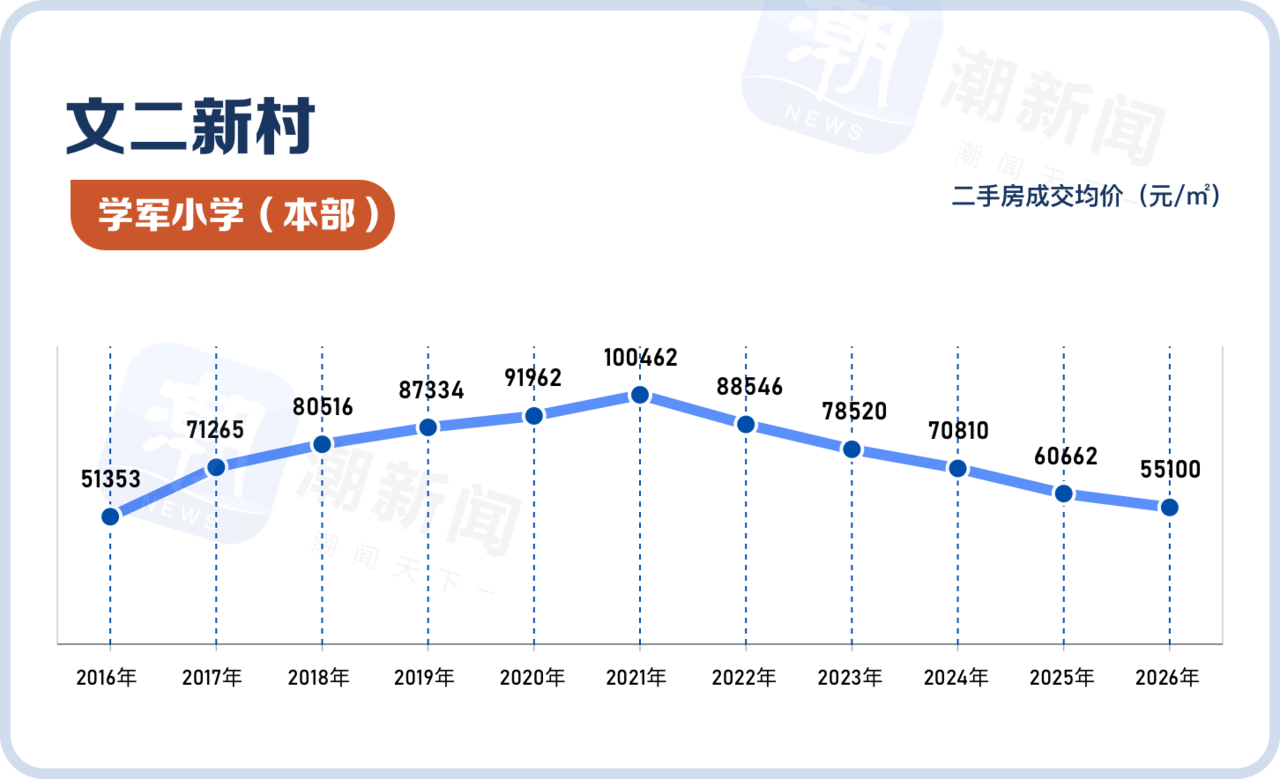
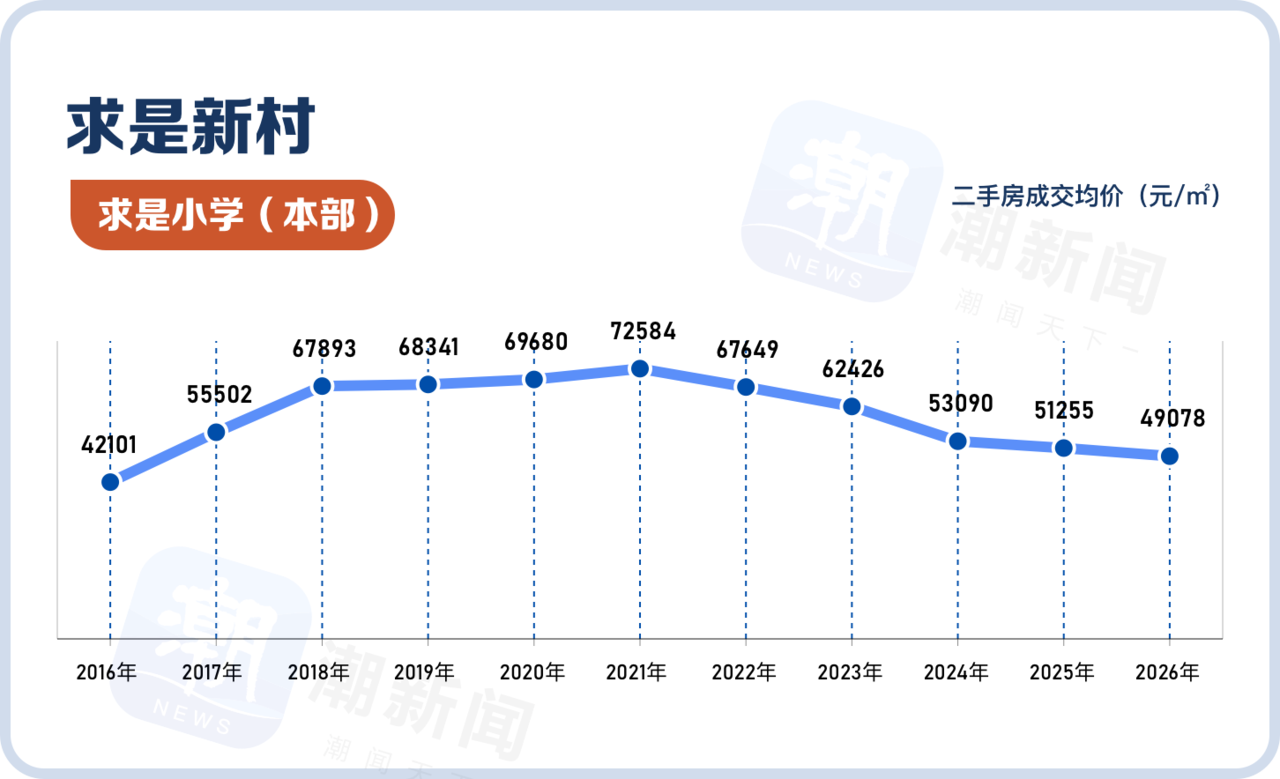
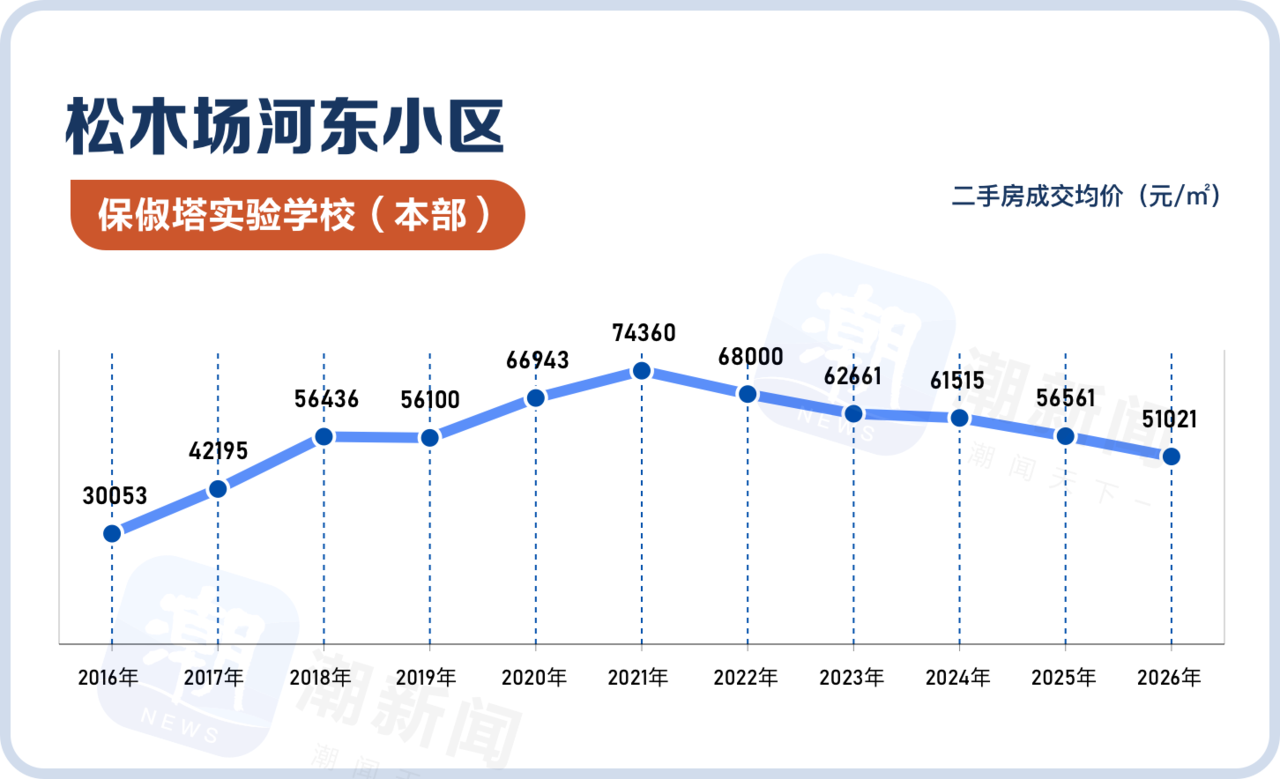
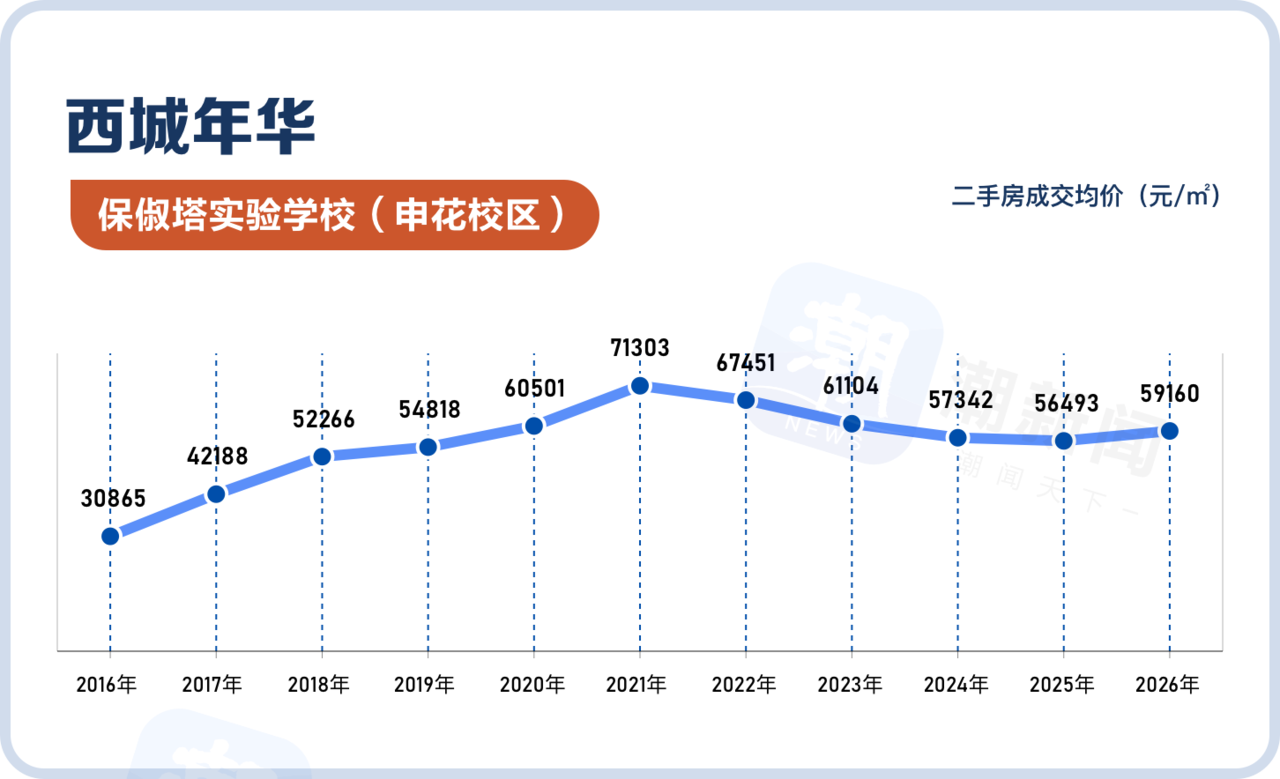
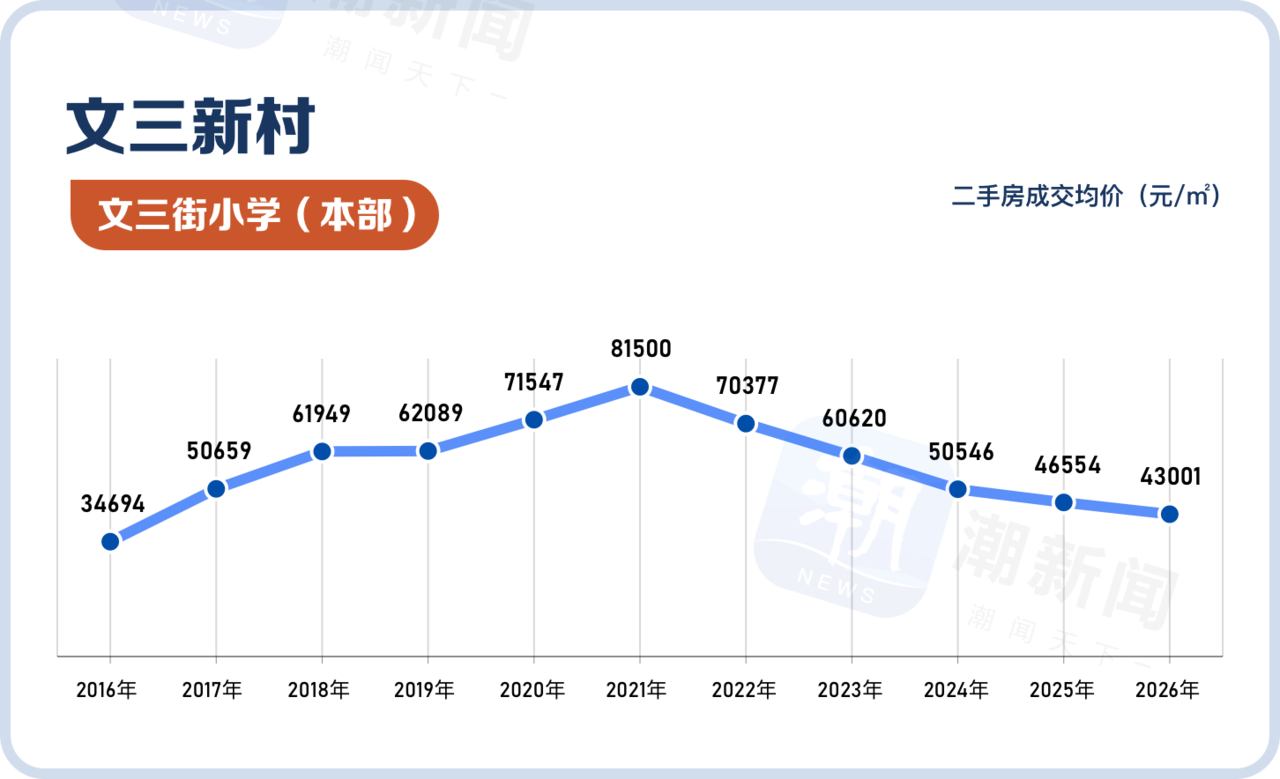
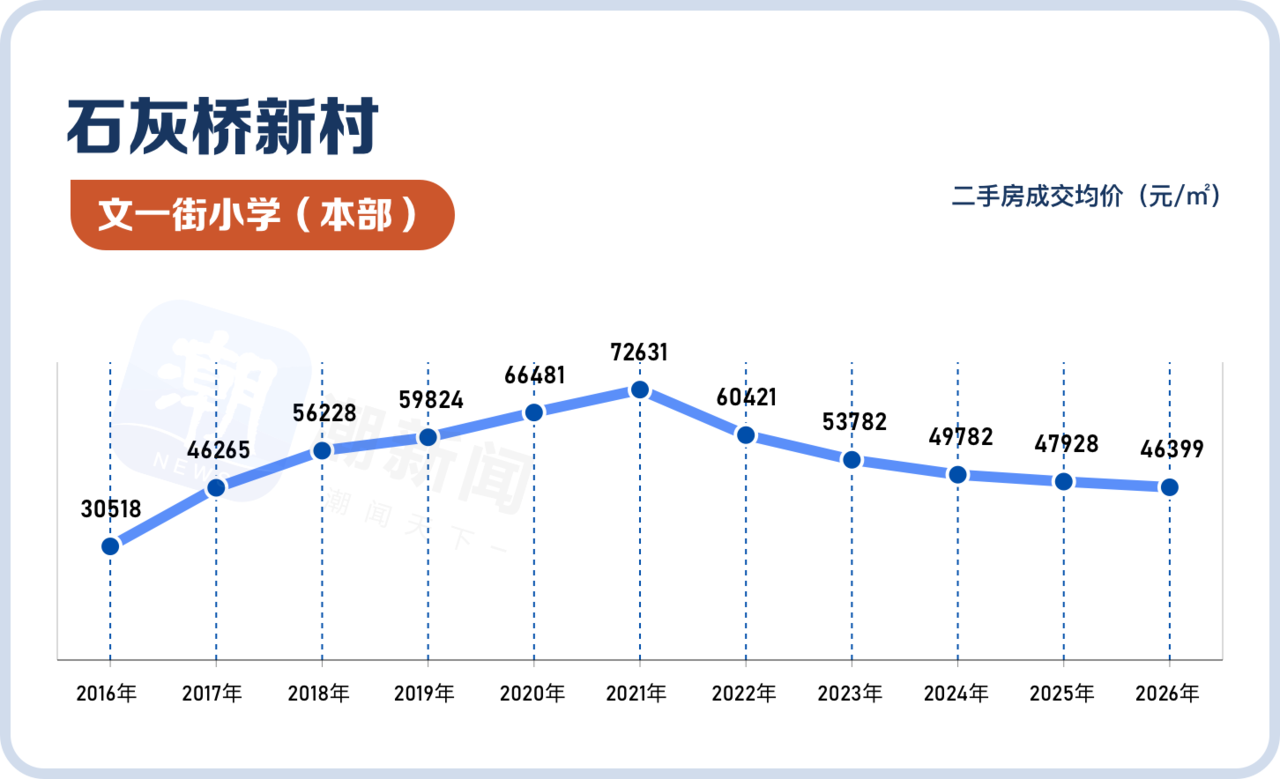
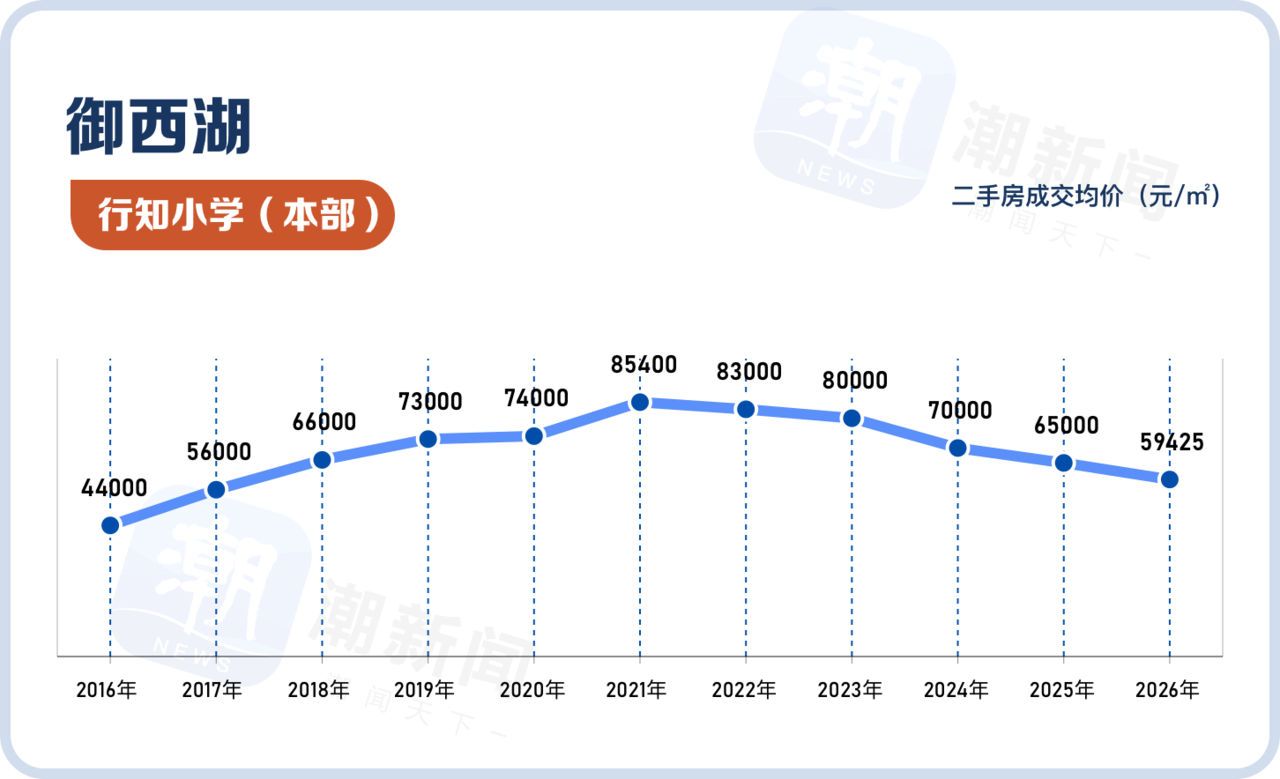
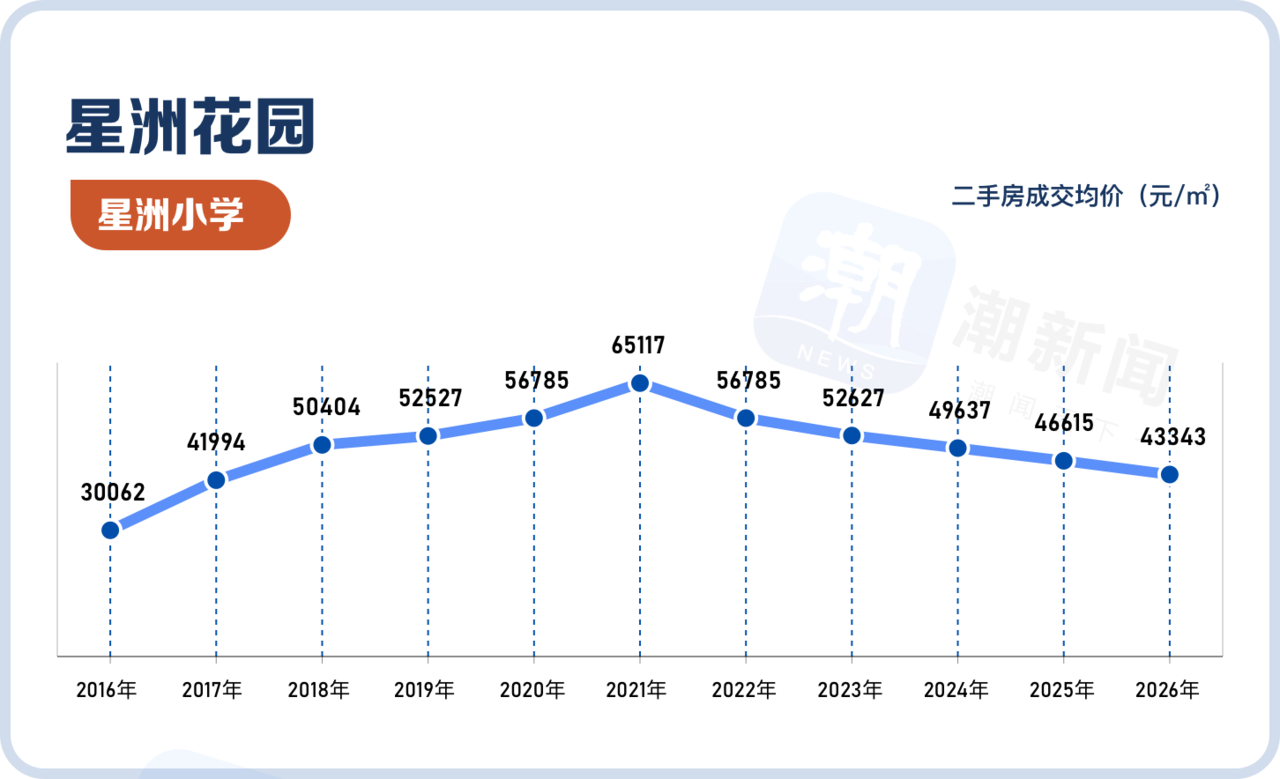
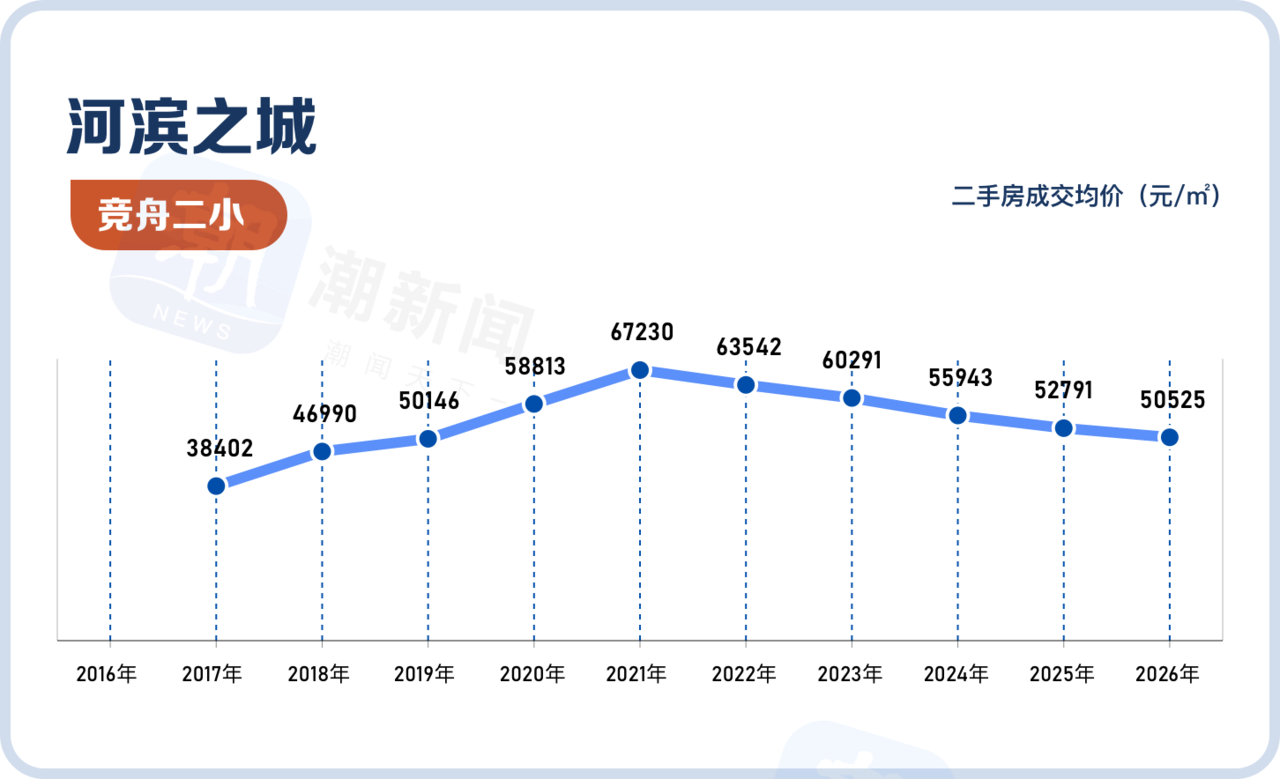
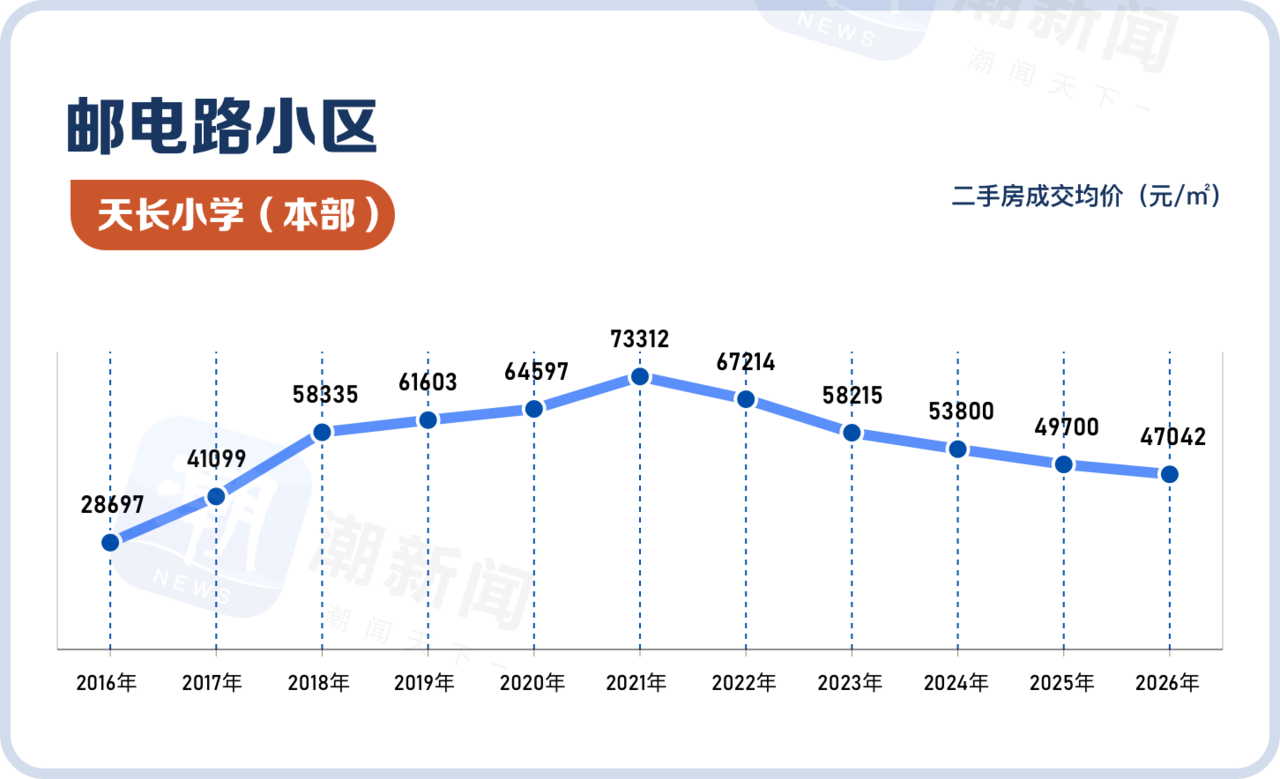
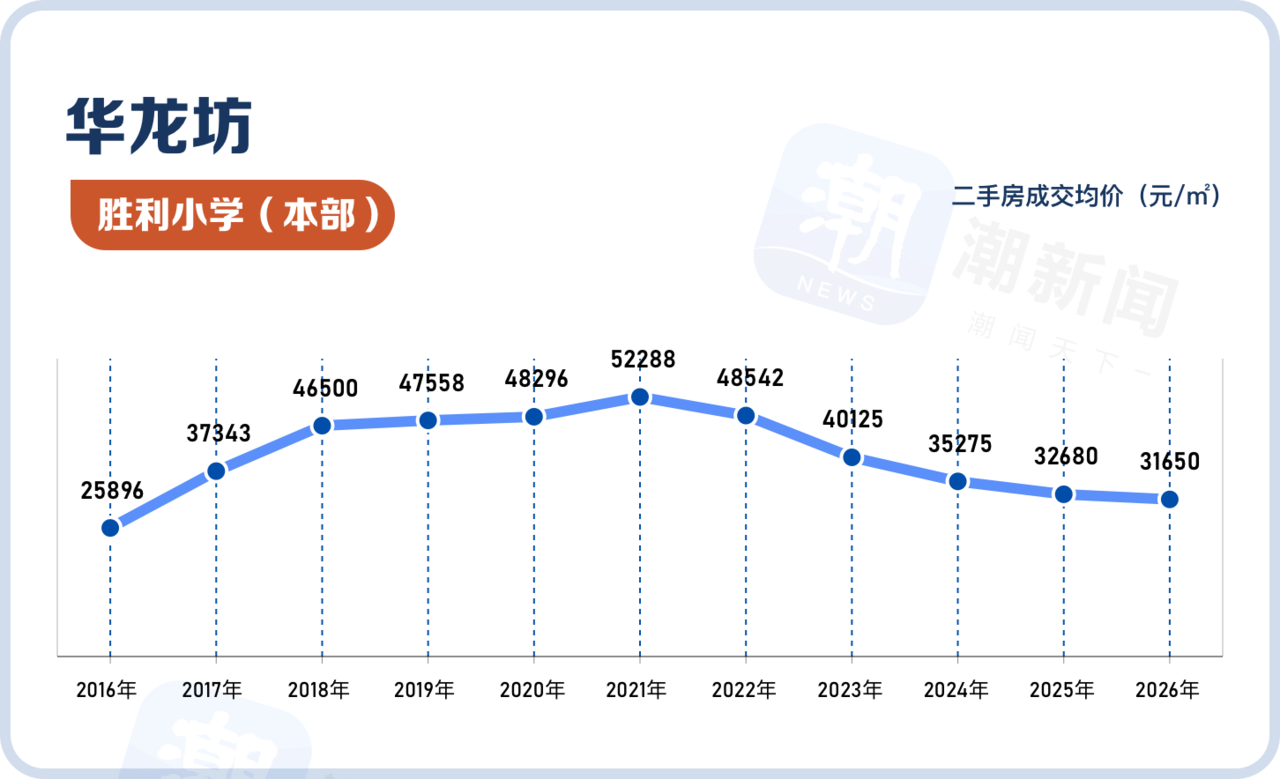
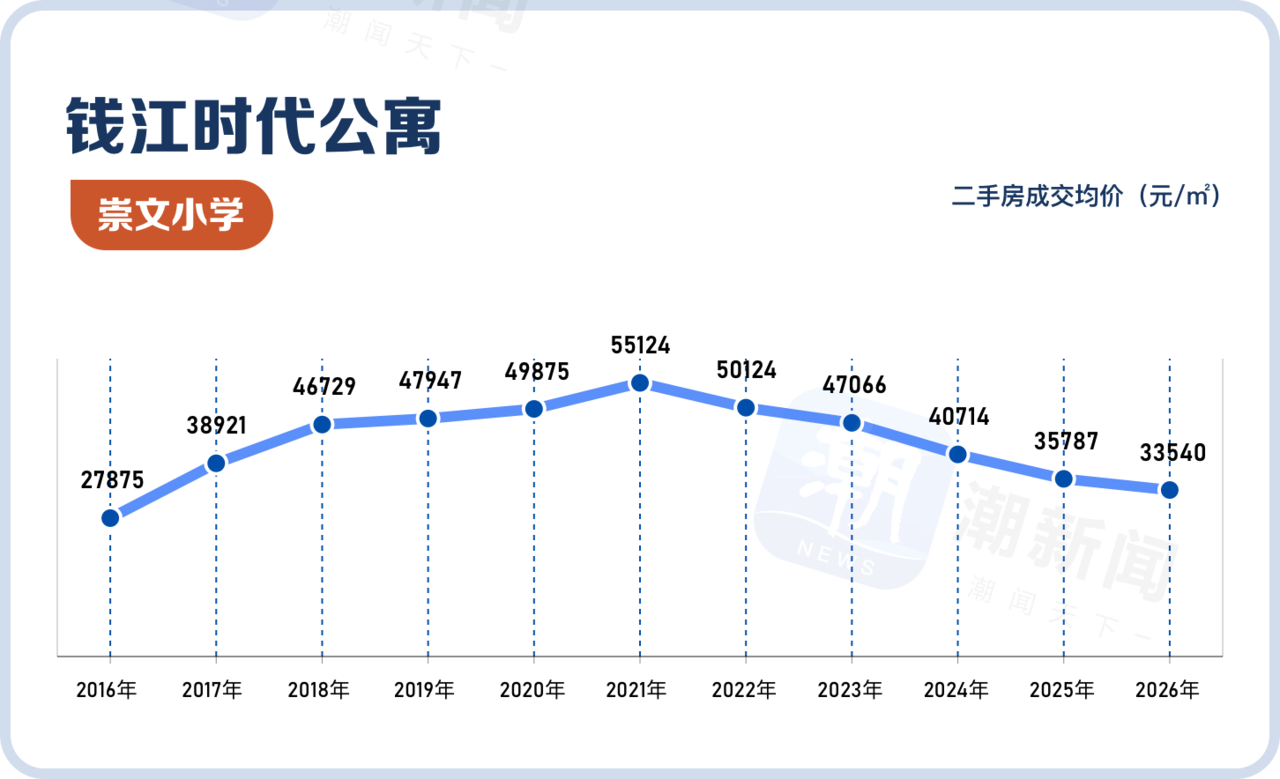
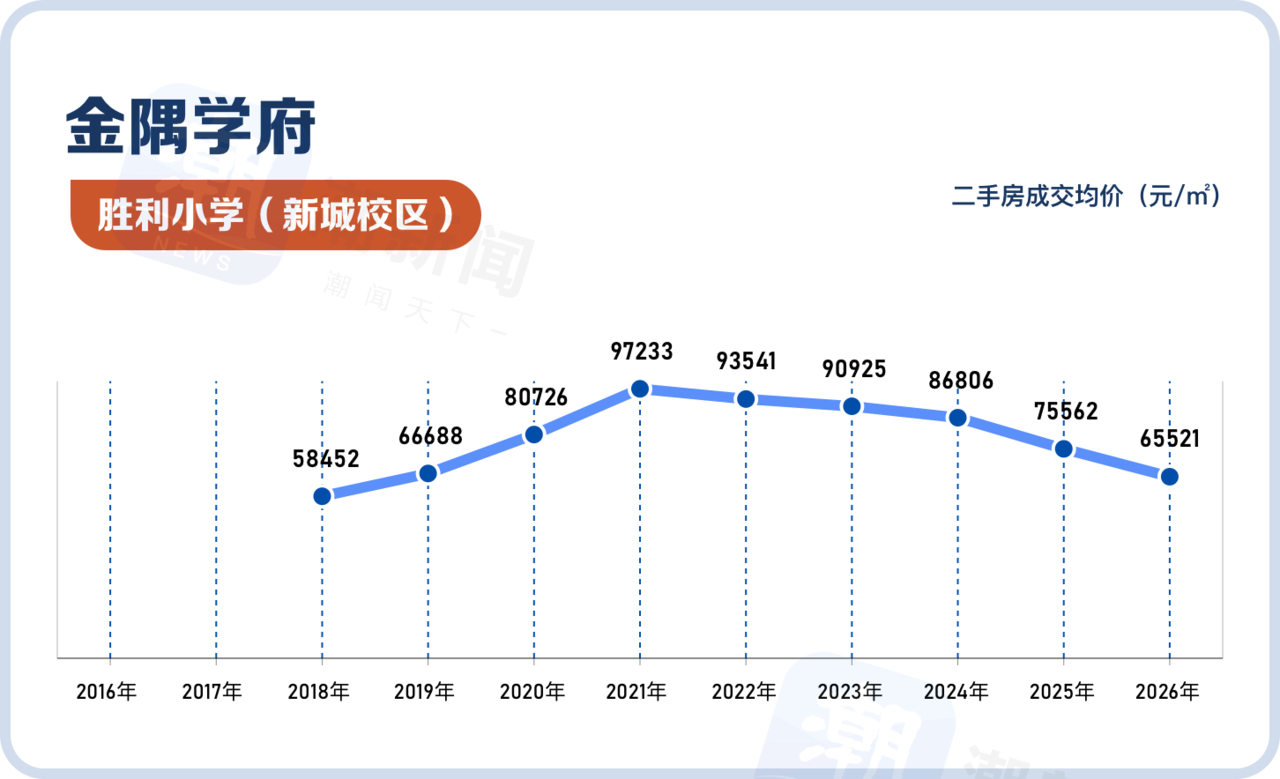
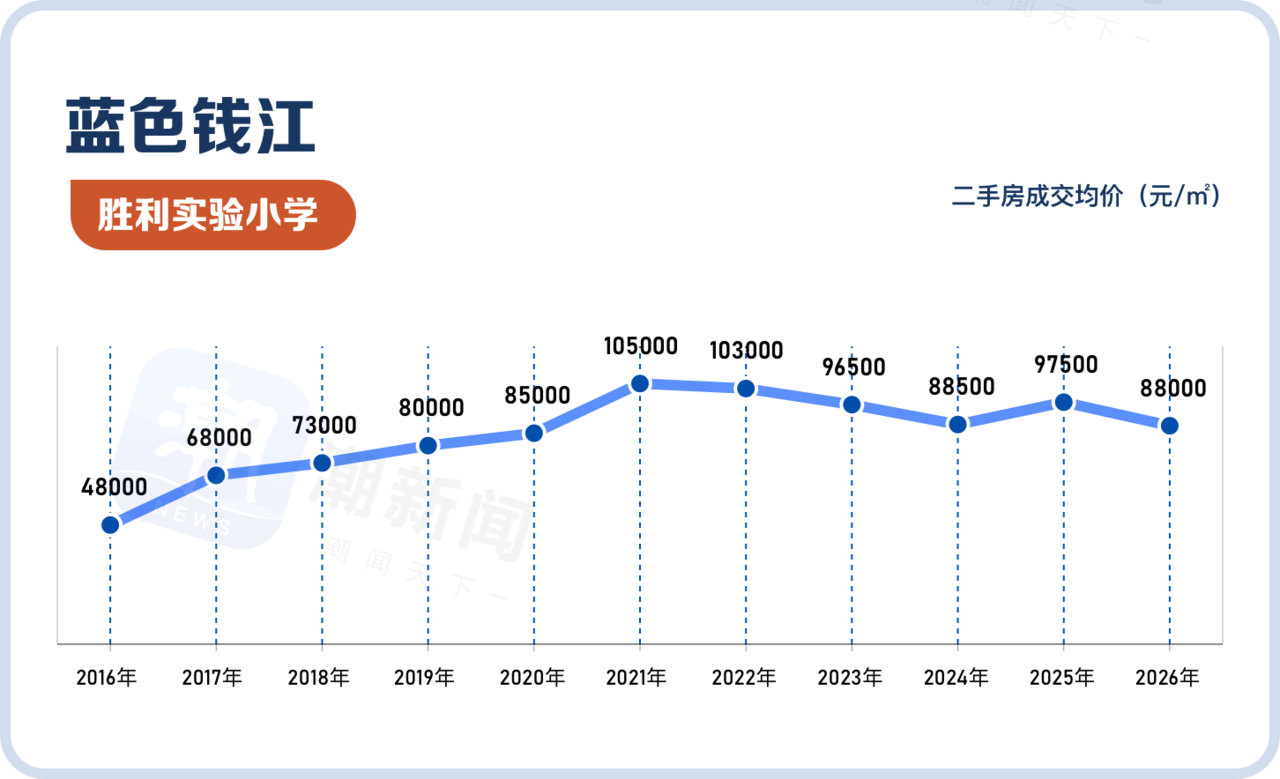
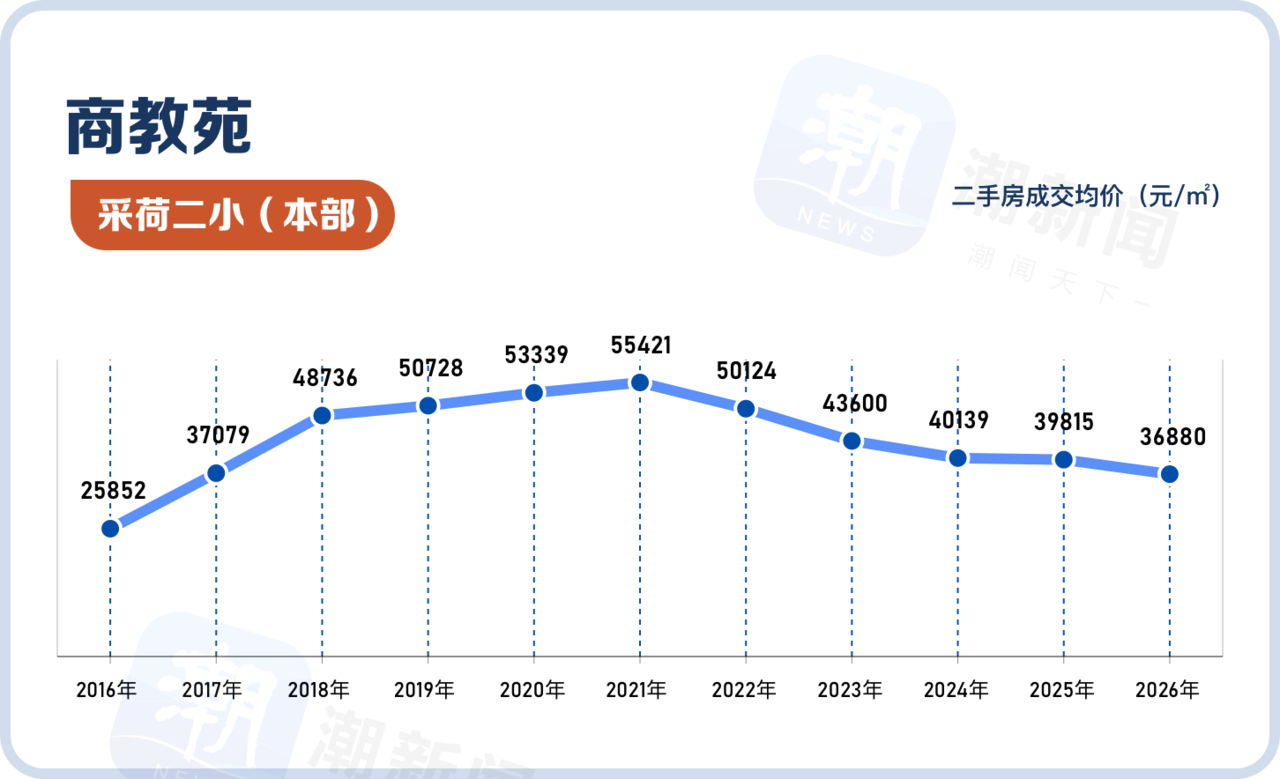
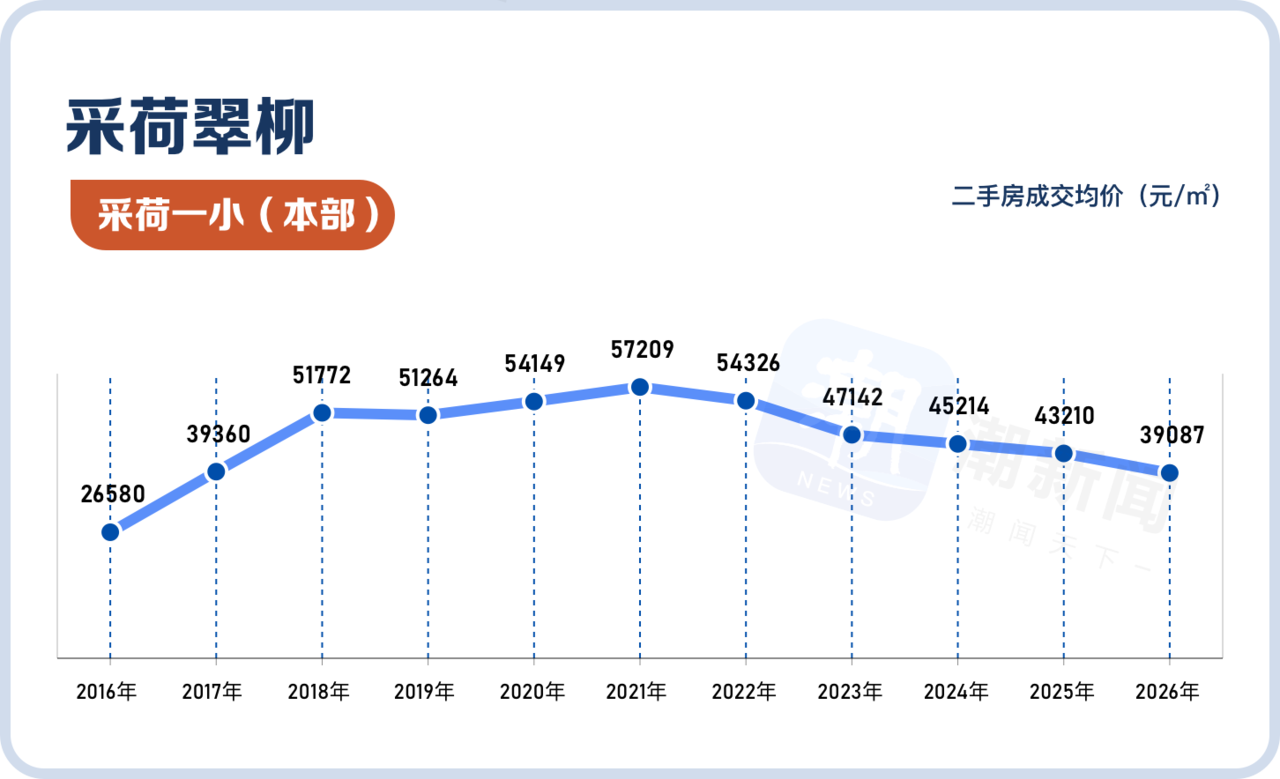
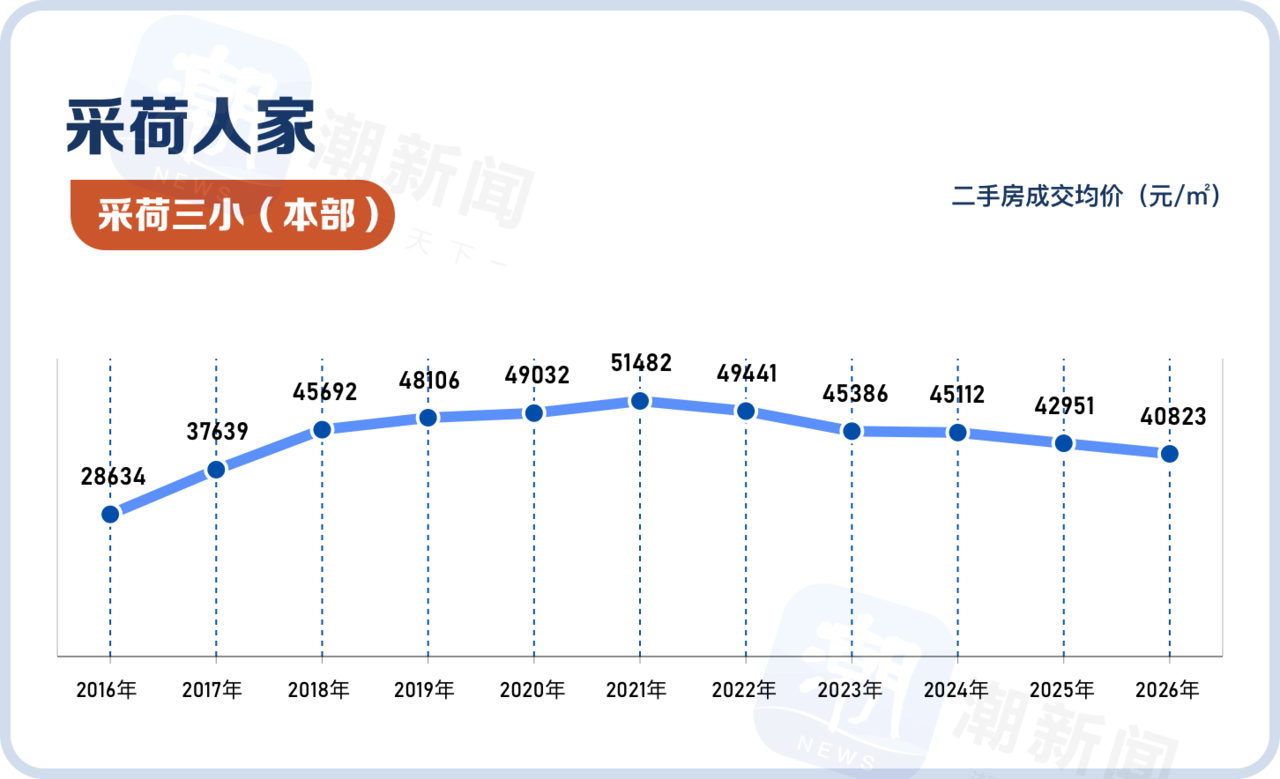
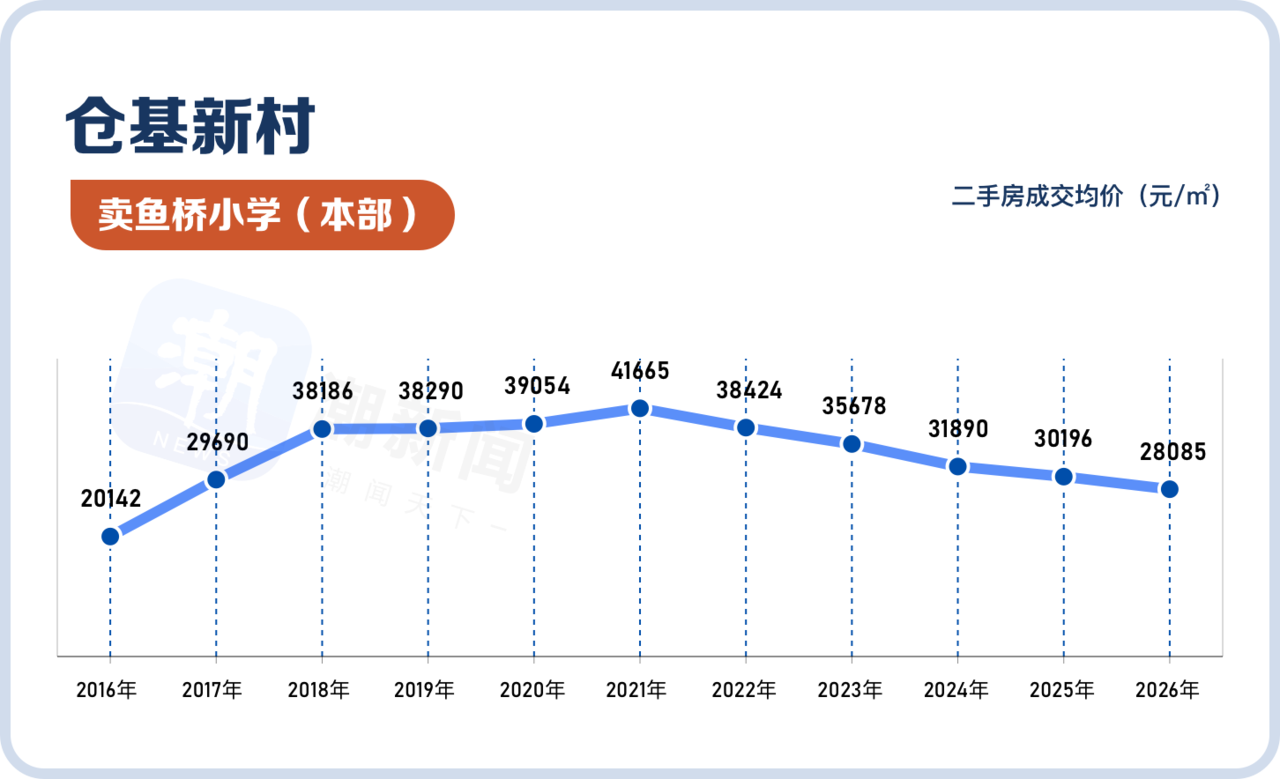
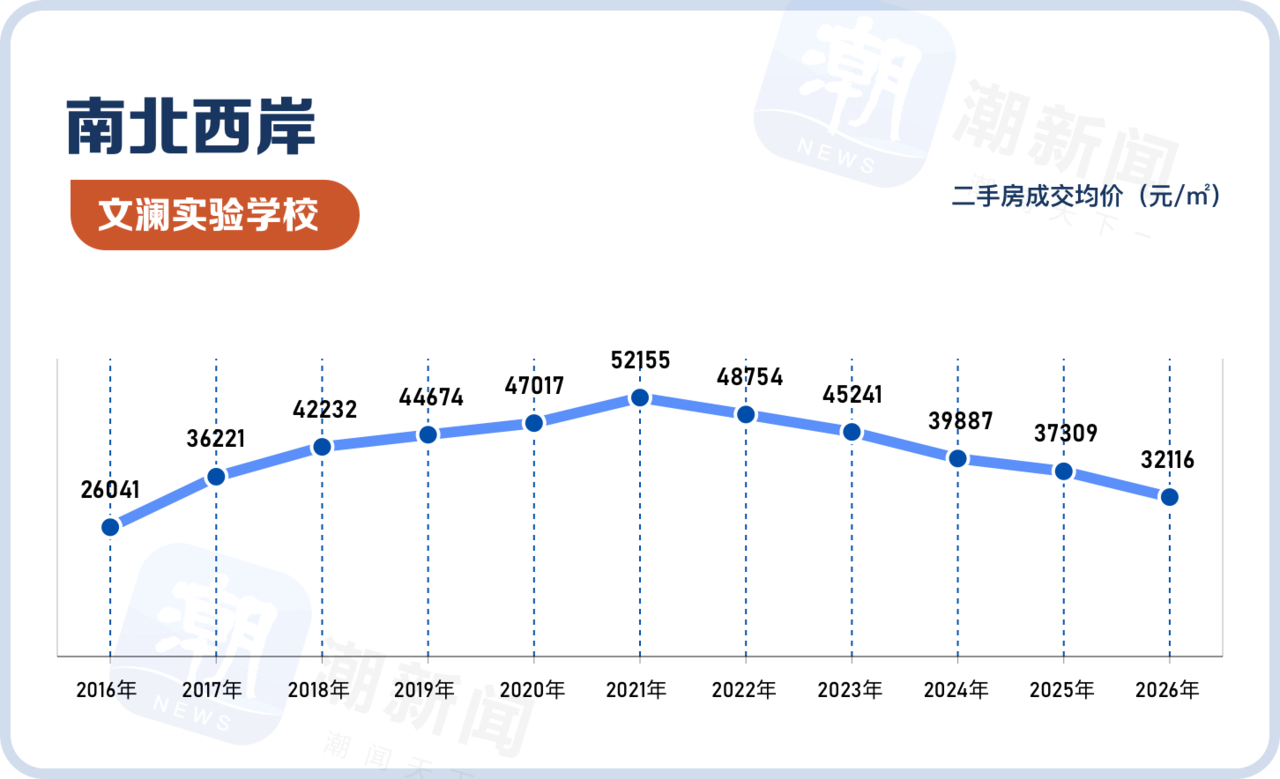
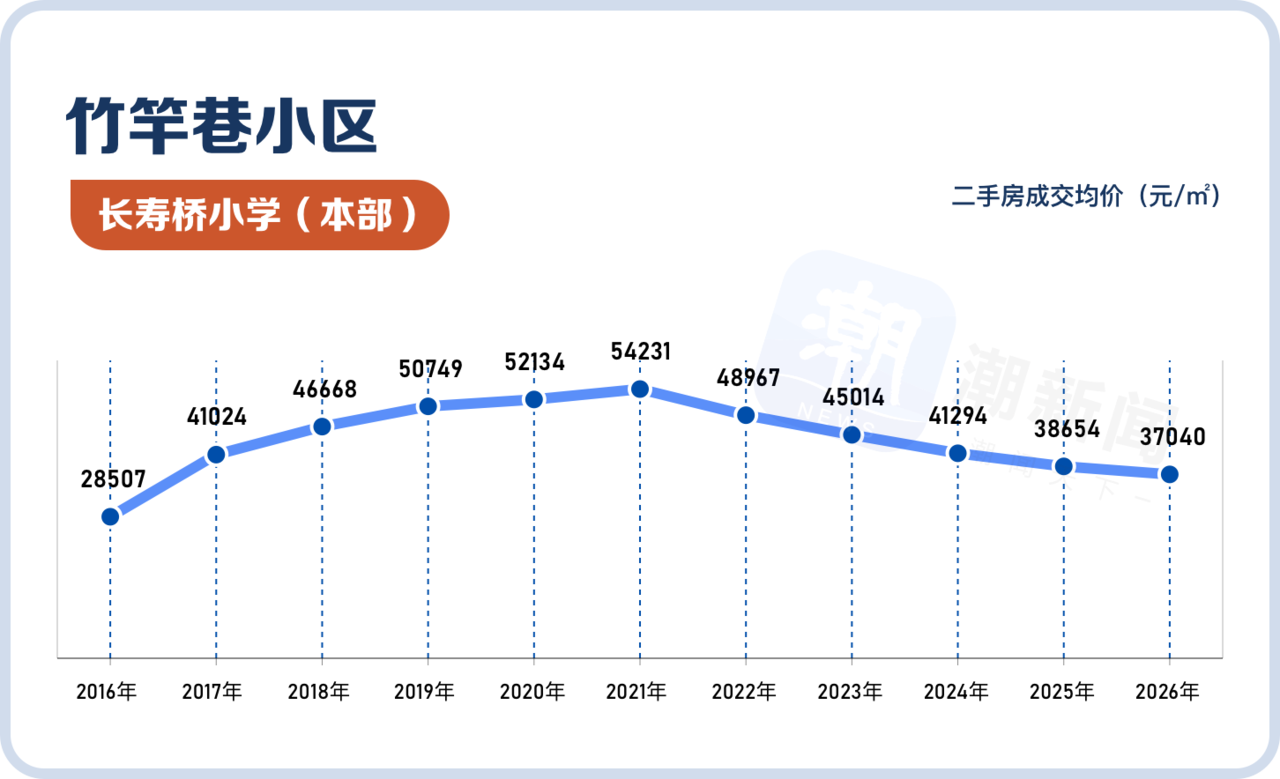
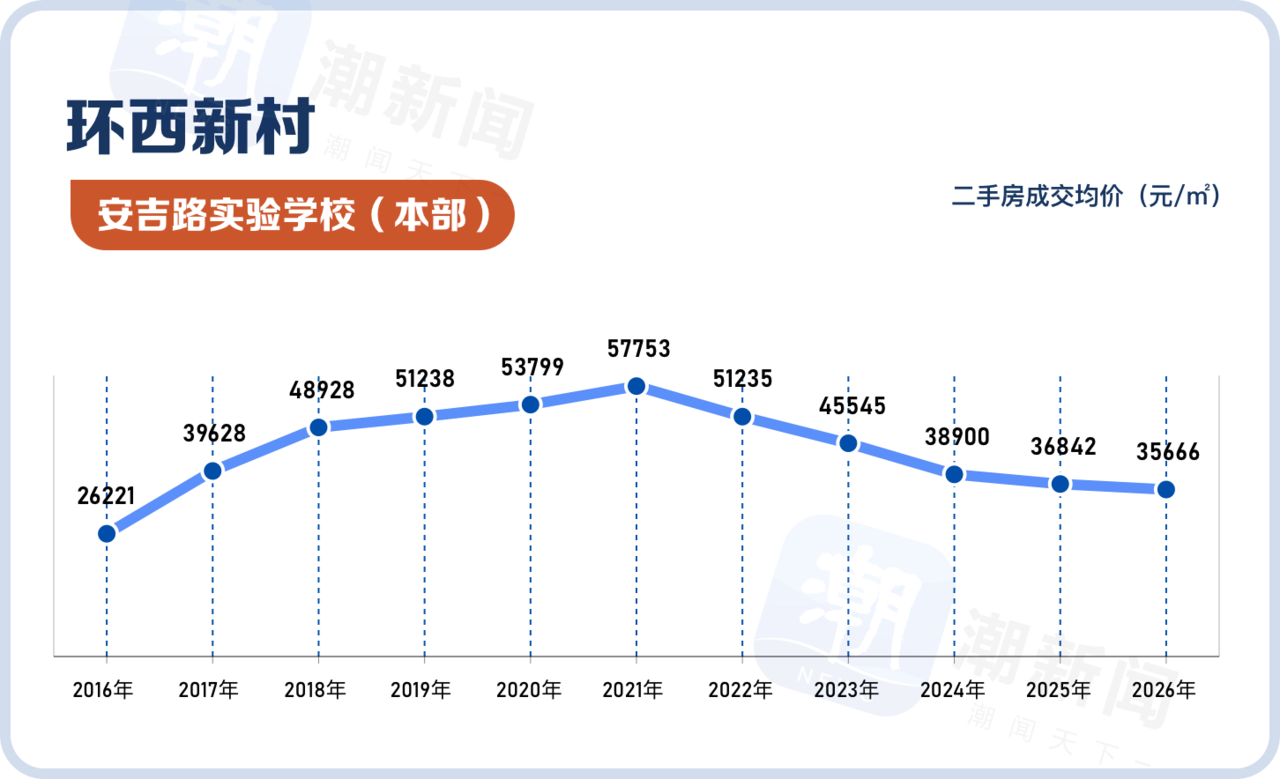
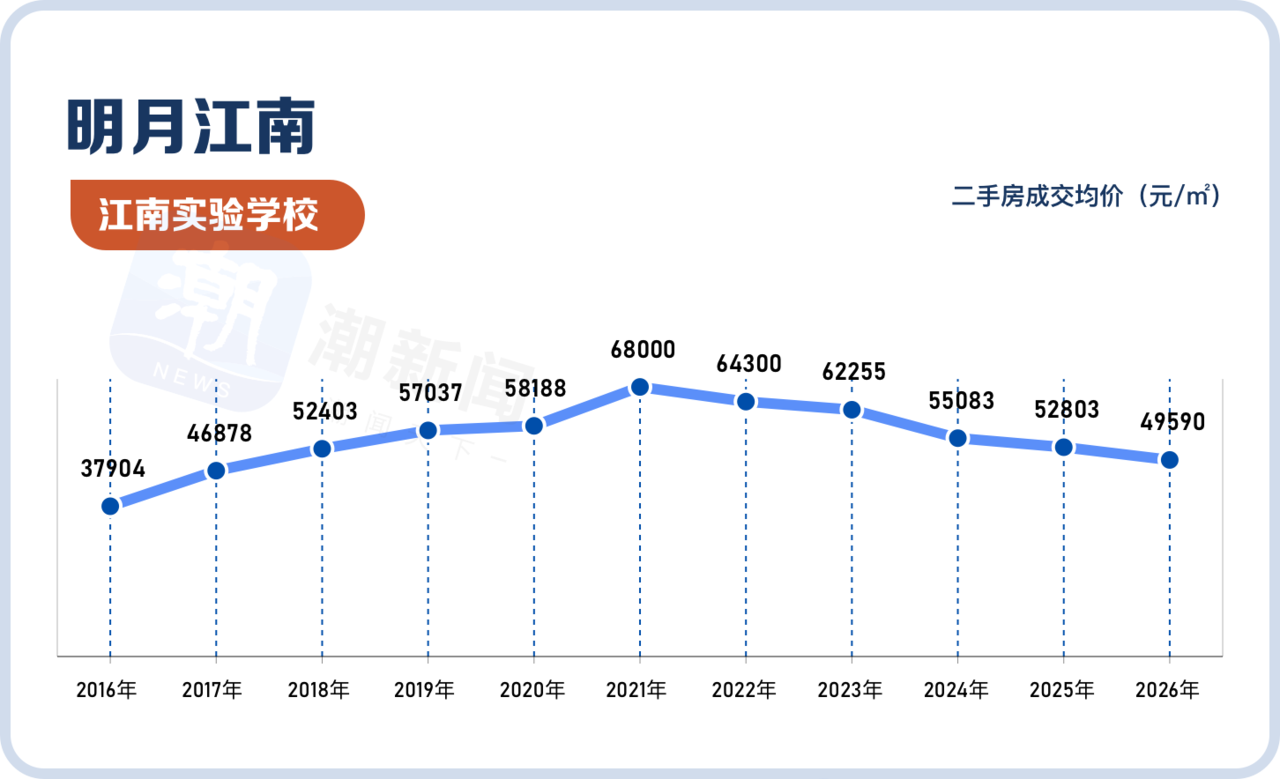
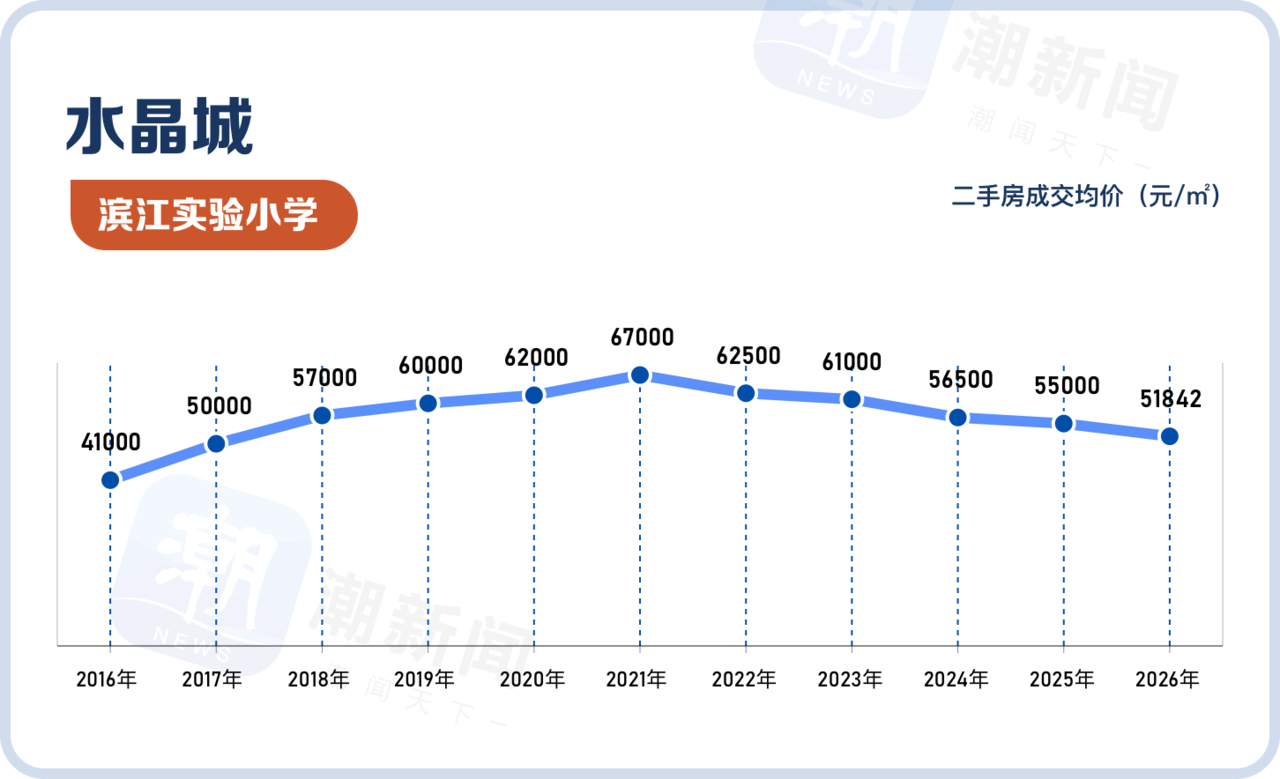
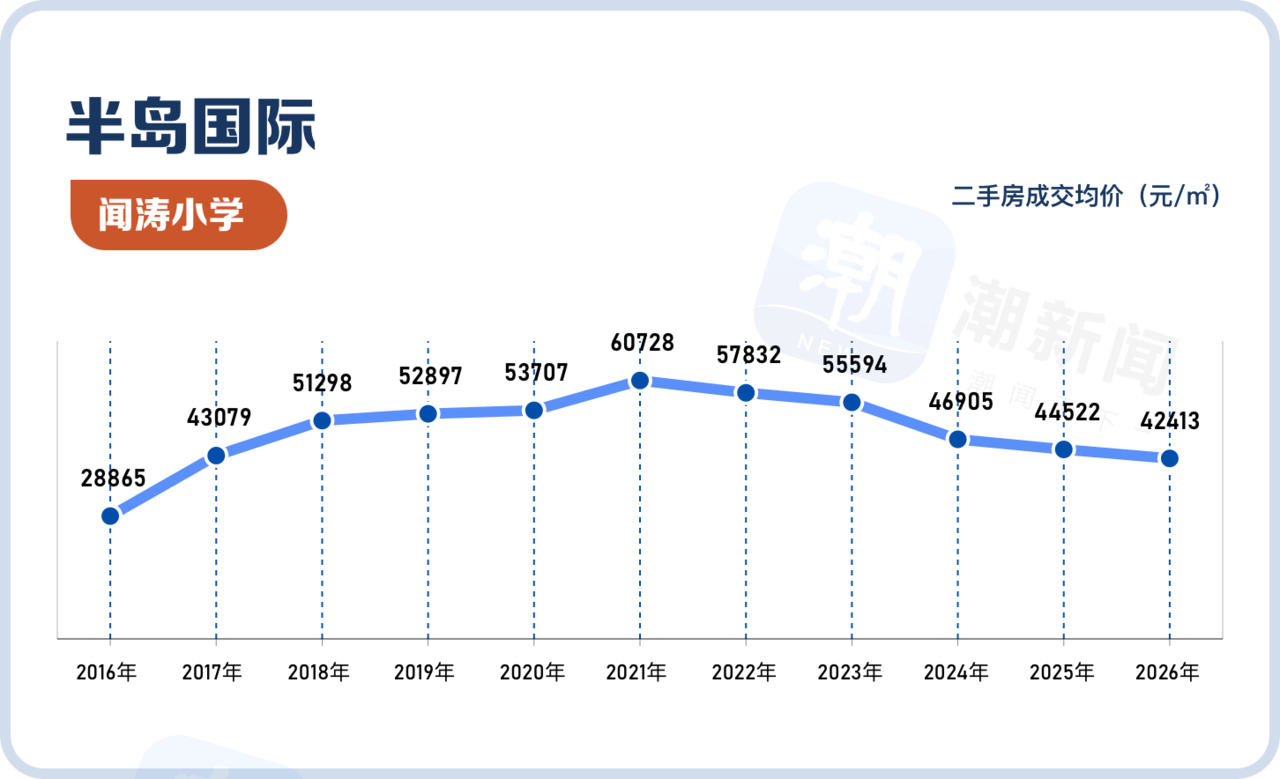
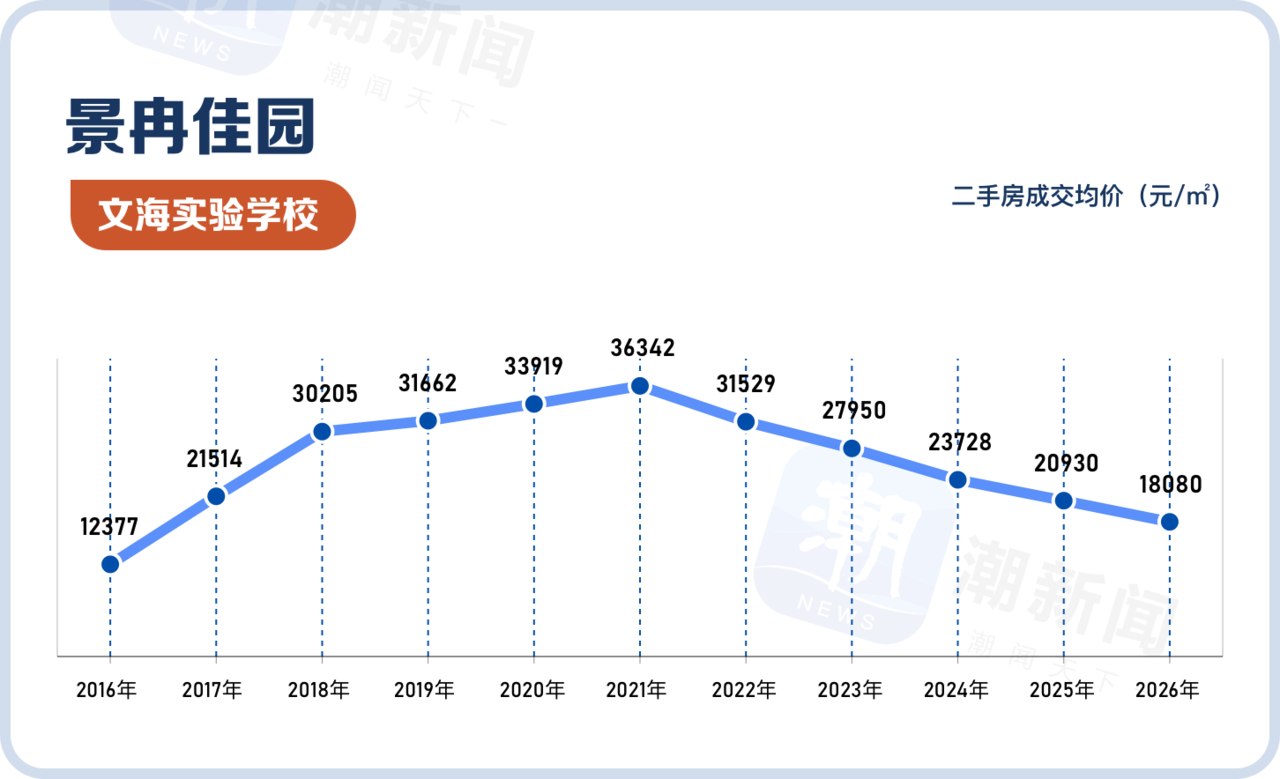
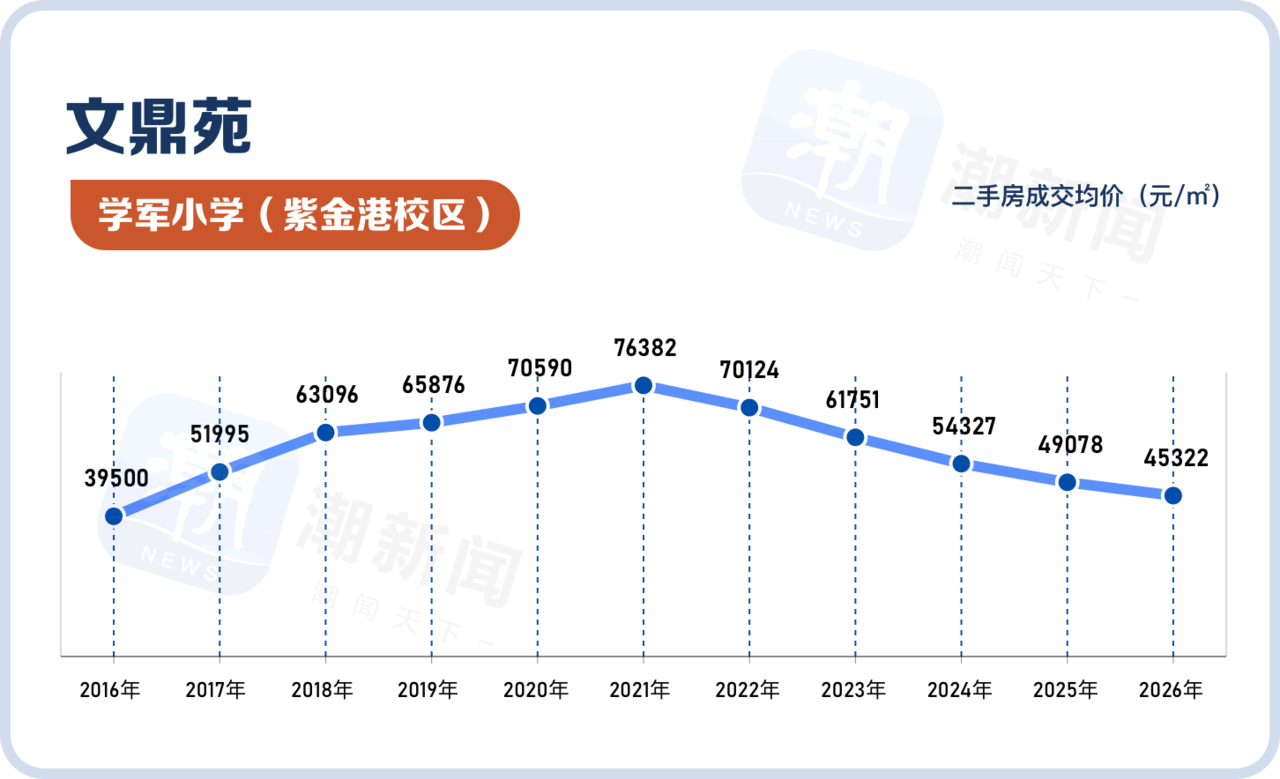 一、以上数据均来源于潮新闻美好人居研究院;二、在不同成交时期,成交的物业的精装与否、户型大小、楼层与楼幢位置的不同会造成价格变动;三、有些房源为了减少税费,会稍微压低成交单价;而有些二手房为了增加银行贷款,也有可能稍微做高单价,具体房源情况,建议购房者实地去看看。曾经卖到10万元的小区如今涨幅垫底记者从杭州第一梯队学区房中,选取了27个具有代表性的小区,罗列了从2016年到2026年的年度成交均价(2026年数据截至7月31日)。这27个小区全部都在2021年达到了价格顶峰,但把时间拉长到10年周期,涨幅却出现了巨大的分化,并非所有名校学区房都能保值。涨幅最高的是西城年华小区,2016年均价30865元/㎡,在27个小区里处于中等水平,2021年涨到了71303元/㎡,涨幅高达131%,而后市场下行,回撤的幅度并没有很大,到2026年,成交均价还有59160元/㎡,十年涨幅高达91.67%。西城年华价格坚挺一方面是因为,对应的九年制保俶塔申花实验学校近年来成绩在杭州公办学校中名列前茅。还有一点是保俶塔申花实验学校学位不紧张,只要是一表生基本上都能入读。学区对应的三个小区中只有西城年华有70㎡以下的户型,不少家长选择短期持有,在孩子入学后就转手卖掉,因此小区换手率极高,被视为学区“硬通货”。涨幅排第二的小区是南星桥的豪宅蓝色钱江,对应的学区是胜利实验小学。

D | 2016年蓝色钱江成交均价48000元/㎡,2021年涨到了105000元/㎡,在27个小区里排第一。在之后几年内,凭借绝版地段和优质的产品,蓝色钱江成交价虽然也在下行,但跌幅并不算大,到了今年均价还能达到88000元/㎡,十年涨幅83.33%。

E | 十年涨幅最小的小区文二新村,可谓是经历了大起大落。作为学军小学本部学区房,文二新村在2016年时均价就已经高达51353元/㎡,比当时的蓝色钱江还要贵3000元/㎡,在27个小区里名列第一。到了2021年,小区成交均价高达100462元/㎡,仅次于105000元/㎡的豪宅蓝色钱江。

F | 但在那之后,文二新村的下跌幅度也非常大,2026年以来成交均价仅55100元/㎡,只有最高点时的一半,十年间涨幅仅7.3%,甚至不及某些位于冷门板块、没有名校学区的小区。

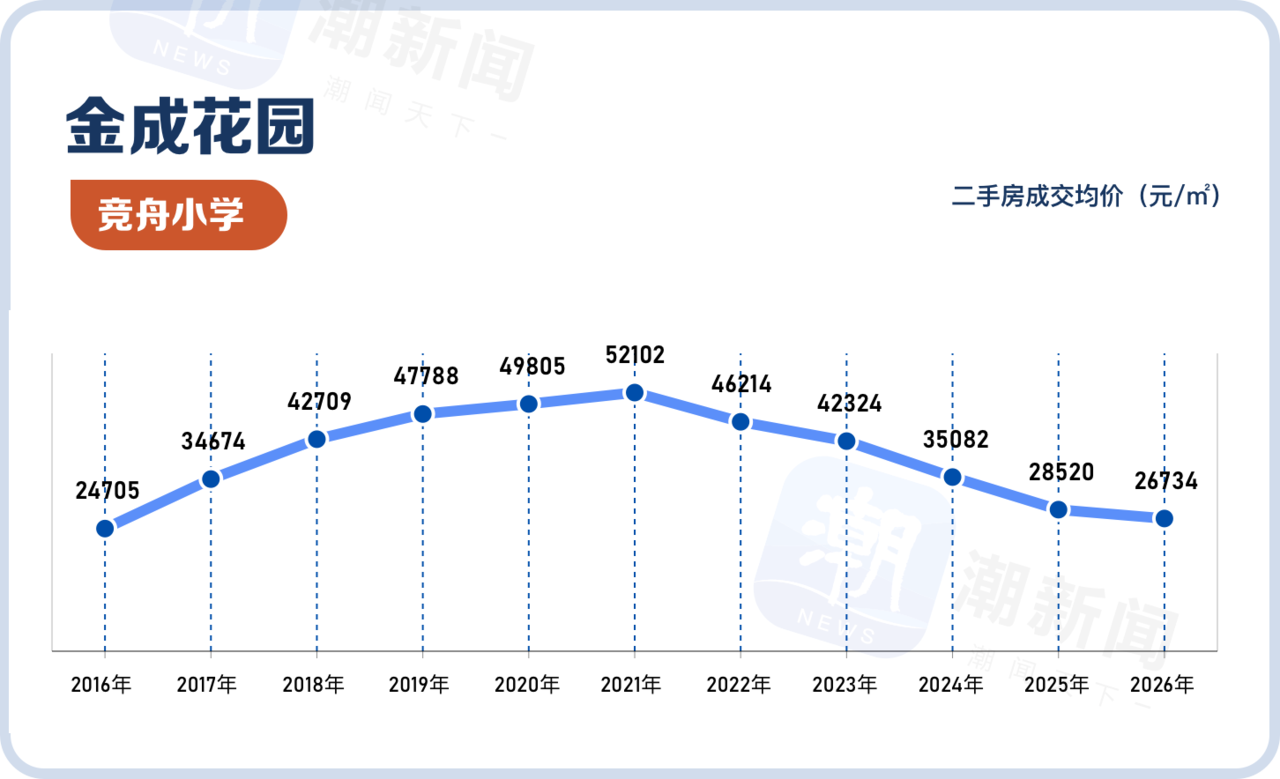
G | 竞舟小学学区房金成花园,十年涨幅也只有8.21%,排倒数第二。

H | 金成花园2016年只有24705元/㎡,2021年涨到了52102元/㎡,但涨得多跌得也多,到今年只有26734元/㎡。从面积越小越值钱到既要学区又能住学区房涨幅分化的背后,是如今很多家长对于学区房的购房逻辑发生了变化。十年前,文教区的“老破小”是学区房市场上的香饽饽,而且面积越小,越受欢迎。学区房热度高涨的年代,一些超小户型一挂出来就能火速成交,文二新村在2021年曾有一套约32.59㎡的房源,以600万元总价成交,折合单价约18.4万元/㎡,创下了当时的单价纪录。但从去年开始,这类超小户型房源已经没那么抢手了。因为对于新一代家长来说,他们在意的不仅是学校好不好,还要考虑房子住得舒不舒服、通勤方不方便、板块有没有前景,居住品质的权重正在逐渐上升。

I | 单纯为了一个学籍去买一套“不能住”的老破小,越来越多的家长已经不愿意了。

J | 因此像西城年华、金隅学府、御西湖等小区,既能居住得舒适,又能兼顾名校学区,才是那个能装下更多水的“木桶”。随着公民同招、多校划片等政策的深入,再加上入学人口逐年减少的趋势,越来越多人对学区房祛魅。再加上房价整体走低,即便是第一梯队的学区房,溢价能力也有所削弱。

K | 不过对于一部分还想追求名校的家长来说,学区房入门的门槛降低了不少,能够更从容地进行选择。
Current article:http://abx.foujiongwenruapoumeizhan.buzz/mbn0gpr/20260826/714939.html
Published on:01:28:17


